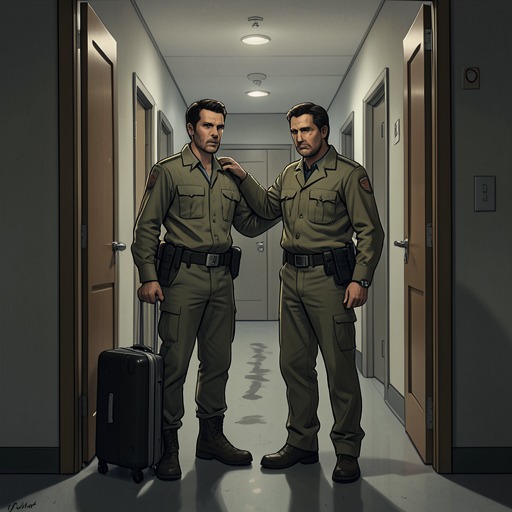
Tessa Confesses to Hardin That She Kissed Zed
After We CollidedTessa Young’s confession to Hardin Scott that she kissed Zed makes a hidden part of their separation impossible to leave unspoken. The disclosure comes not as a planned account but through an old voicemail Hardin hears while they are together in a car. What follows is a sequence of questions and explanations: Tessa identifies when the message was recorded, admits the kiss happened afterward, and describes what did—and did not—happen when she returned to Zed’s apartment. The scene brings their unresolved hurt into focus without resolving the tension between honesty, forgiveness, and Hardin’s insistence that Tessa stay away from Zed.
Background: A Conversation Already in Trouble
The confession sits within a relationship shaped by mutual accusations of silence. In an earlier conversation, Tessa asks Hardin to open up and tell her exactly how he feels if they are to try to move past his betrayal. Hardin answers that she is closed off too: she keeps saying she is finished with him, yet remains with him, leaving him unsure where they stand. Tessa recognizes that her thoughts have been so jumbled that she has failed to communicate them. When she names her confusion as being about their relationship and his betrayal, she is already close to tears. The later admission about Zed therefore enters a conversation in which both have demanded honesty while struggling to provide it themselves.
Tessa has also identified a wider imbalance than the question of whom she kissed. She tells Hardin that she does not feel she comes first: his friends, parties, and future seem to take precedence, while she has little say in decisions that affect her own life. His dismissive response when she raised marriage hurt her not because she expects to marry soon, but because she wants security and wants him to consider her future. She also recalls that he stayed out all night with another woman while drunk. These grievances make the discussion about the kiss part of a larger dispute over consideration and trust, rather than an isolated confession.
Their attempt to talk has repeatedly been vulnerable to interruption and escalation. In one argument, Hardin shouts for Tessa to stop talking and listen; when she sits on the bed and does so, he admits he had not expected her to listen. He later kneels in front of her and asks where their relationship can go, saying the back-and-forth is wearing him down. Such moments establish the urgency of his request for an answer, but they also show how easily a plea to communicate gives way to raised voices and pressure.
The Voicemail Brings the Kiss into the Open
The immediate disclosure begins when Tessa discovers that Hardin’s phone has seven unheard voicemails and starts playing them. She recognizes her own voice and tries to stop the recording, but Hardin takes the phone from her. The message reveals that she had called while confused and distressed, asking why he had let her leave and why he had not fought for their relationship. She had said she deserved to be happy and wanted to know what had happened between them. Hearing this earlier expression of longing makes the present situation more complicated: Tessa had been grieving the separation even as she was moving closer to Zed.
Hardin asks when she left the message. Tessa says it was while he was gone, then explains that it came from the night she kissed Zed. Hardin asks whether the voicemail came before or after the kiss; she answers that it came afterward. The ordering matters to the conversation: the message is not evidence that she was planning to kiss Zed, but it records her confusion after it had happened. Hardin then asks how many times she kissed him. The supplied scene moves from that question to what Tessa did after leaving the message, without recording an answer to the number of kisses.
Tessa’s Account of What Happened Next
Asked where she went after leaving the voicemail, Tessa says she returned to Zed’s apartment. Hardin rests his forehead against the steering wheel. When he asks what happened there, Tessa says that nothing happened between them: she cried, and they watched television. She adds that she slept on the couch, and that the only time she had slept in Zed’s room was when Hardin himself had arrived there. These details distinguish her continued contact with Zed from a sexual relationship, while also confirming that she sought his company during the separation.
Tessa further tells Hardin that Zed had tried to kiss her again a few days earlier, when they met for lunch, and that she pulled away. She acknowledges that she has made a mess of the situation and apologizes for spending time with Zed, while admitting she has no good reason or excuse. Her account thus contains both a boundary she maintained and a choice she regrets: she rejected Zed’s later attempt, but had already kissed him and returned to his apartment. Hardin’s questions make the distinction important to him, though the exchange offers no simple return to trust.
No-Contact Demands and the Unsettled Outcome
The confession also recalls a prior bargain made amid Hardin’s jealousy. After accusing Zed of coming between them, Hardin told Tessa he did not want her near him. Tessa objected that Hardin could not decide whom she was allowed to talk to. She nevertheless agreed to stay away if Hardin would not fight Zed. Hardin defined that promise broadly: no texts, no visits to the science building, and no other contact. Tessa questioned how he knew she had gone there, and the thought that he might have seen her with Zed among the glowing flowers made her anxious. When he invokes the promise during the later car conversation, the kiss confession is already entangled with an agreement Tessa accepted to prevent a fight, not a boundary she says she welcomed.
That tension appears elsewhere in Hardin’s attempts to keep Tessa with him. When she tries to leave his car at her father’s driveway, she says he has already forced her to leave Zed’s house; Hardin locks the doors, then says he is not trying to lock her in, though he acknowledges to himself that he is. Tessa presses the unlock button and gets out. The episode gives concrete context to the difference between Hardin describing his actions as efforts to explain himself and Tessa experiencing them as restrictions on her choices.
A separate family confrontation also underlines Tessa’s insistence on deciding for herself. When her mother orders her to leave, Tessa stays behind Hardin and holds his arm; Hardin wraps an arm around her and warns her mother to stay away. Tessa then interrupts her mother to declare that she is an adult and will stay if she chooses. Even as Hardin presents himself as protecting her, Tessa’s own statement asserts that the decision belongs to her. In the confession scene, the same question of agency persists in a different form: she gives Hardin an account of her actions, but his demand that she end contact with Zed presses against her stated objection to being told whom she may see.
The scene ends with Tessa confirming that she remembers the no-contact promise. She does not like being told who she can be friends with, yet recognizes that she might expect the same from Hardin if their positions were reversed. That qualification leaves the conflict unresolved rather than cancelling it. Her confession supplies information Hardin did not have; it does not erase the earlier betrayal, her grievances about being overlooked, or the struggle over control. The episode’s significance lies in bringing the kiss and its aftermath into their conversation while showing how difficult it remains for either of them to turn disclosure into a stable, mutually accepted understanding.